Quick Answer
A house can stay humid with the AC running when the system is oversized and shuts off before removing enough moisture, the air filter or coil is dirty, ductwork is leaking or the home needs extra dehumidification. The EPA recommends keeping indoor humidity below 60%, ideally between 30% and 50%.
Living in Central Florida means dealing with heat and humidity for much of the year. Your air conditioner should help cool your home and remove moisture from the air, but what happens when your AC is running and your home still feels humid?
If your home feels sticky or uncomfortable, you notice condensation, or you’re dealing with persistent musty odors, your HVAC system may not be controlling indoor humidity effectively.
There are several possible reasons this can happen, and the solution isn’t always as simple as lowering the thermostat.
How Does Your AC Remove Humidity?
Your air conditioner doesn’t just cool your home. As warm indoor air passes over the cold evaporator coil, moisture in the air condenses on the coil and drains away from your home.
This process naturally reduces indoor humidity while your AC operates.
However, your system needs to run properly and for an appropriate amount of time to remove enough moisture. Problems with the HVAC equipment, airflow, system sizing, or other conditions inside the home can interfere with this process.
1. Your AC System May Be Too Large
A bigger air conditioner isn’t necessarily better.
An oversized AC system may cool your home very quickly and shut off before it has had enough time to remove sufficient moisture from the air. This is sometimes referred to as short cycling.
The temperature on your thermostat may look comfortable while the air inside your home still feels humid.
Proper HVAC sizing is important when installing a new system because both temperature and humidity control contribute to indoor comfort.
2. Your AC Isn’t Running Properly
An air conditioner experiencing performance problems may struggle to cool and dehumidify your home effectively.
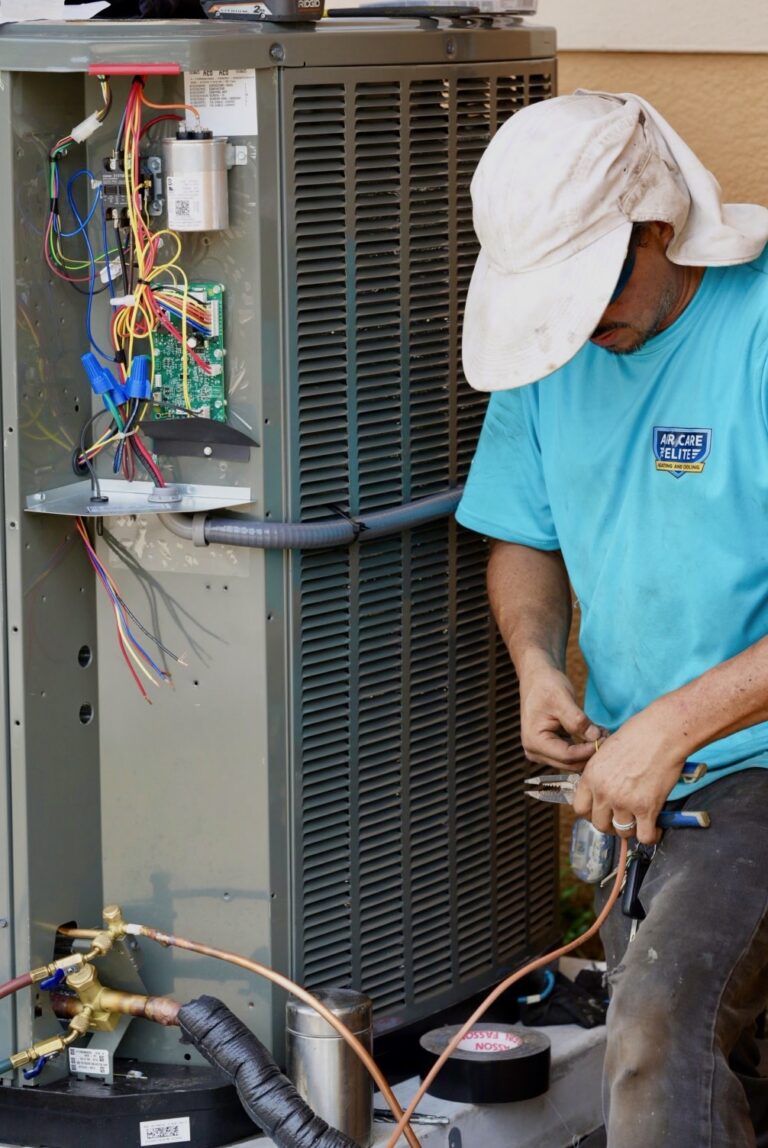
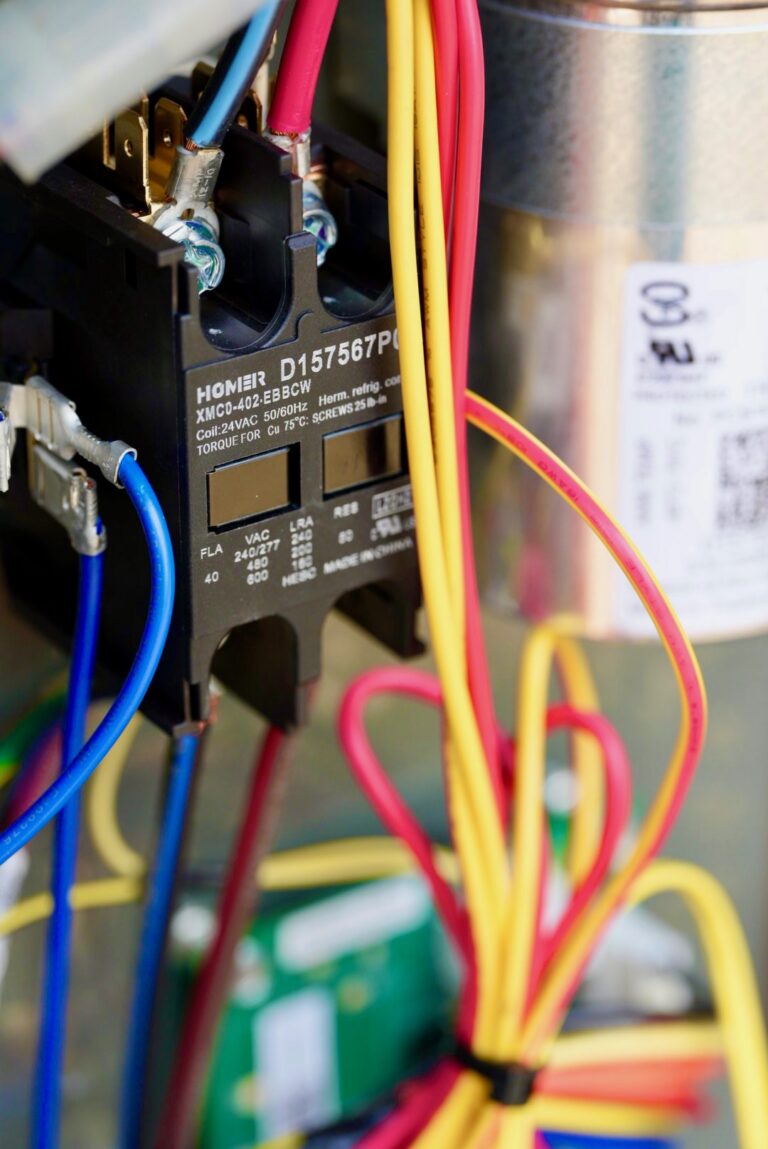
Dirty coils, refrigerant problems, clogged filters, drainage issues, failing components, or other HVAC problems can affect system performance.
If you’ve noticed that your home is becoming more humid along with weaker cooling, longer run times, unusual noises, or higher energy bills, it may be time to have your AC system inspected.
3. Your Air Filter Is Dirty or Restricting Airflow
Proper airflow is essential for HVAC performance.
A dirty air filter can restrict the amount of air moving through your system, potentially affecting cooling and moisture removal. Using a filter that is too restrictive for your particular HVAC system can also create airflow problems.
Check your air filter regularly and replace it according to the manufacturer’s recommendations and the needs of your home.
4. Your Ductwork Could Be Contributing to the Problem
Your ductwork plays an important role in moving conditioned air throughout your home.
Damaged, leaking, or poorly sealed ducts can contribute to comfort and efficiency problems. Depending on where the ductwork is located and the nature of the problem, duct leaks may also allow warm, humid air to affect the system.
If you’re experiencing high humidity along with uneven temperatures, weak airflow, or unusually high energy bills, having your ductwork inspected may help identify the source of the problem.
5. Your Home May Need Additional Humidity Control
Sometimes the HVAC system is operating properly, but the amount of moisture entering or being generated inside the home makes additional humidity control beneficial.
This is particularly relevant in Central Florida, where outdoor humidity can remain high for much of the year.
A whole-home dehumidifier works alongside your HVAC system to help manage indoor moisture throughout the home. Unlike a portable dehumidifier designed for an individual room, a properly designed whole-home system can provide more comprehensive humidity control.
Whether your home would benefit from one depends on your HVAC system, indoor conditions, and the cause of the humidity problem.
6. Air Leaks May Be Allowing Humidity Into Your Home
Not every humidity problem originates with the HVAC system.
Outdoor air can enter through gaps around doors, windows, attic penetrations, and other areas of the home’s building envelope. Every time humid outdoor air enters the home, your HVAC system has additional moisture to remove.
If the AC system appears to be operating properly but humidity remains consistently high, the home itself may also need to be evaluated for sources of excess moisture or outside-air infiltration.
What Should Indoor Humidity Be in a Florida Home?
There isn’t one perfect humidity level for every home, but the U.S. Environmental Protection Agency generally recommends keeping indoor relative humidity below 60% and ideally between 30% and 50% when possible.
Florida’s climate can make humidity control more challenging, particularly during hot and rainy periods.
Consistently elevated indoor humidity can contribute to discomfort, condensation, musty odors, and conditions that encourage unwanted biological growth.
Can High Humidity Affect Indoor Air Quality?
Yes. Humidity and indoor air quality are closely connected.
Excessive moisture can contribute to musty odors and create conditions where certain microorganisms can grow more easily. Humidity can also affect how comfortable the air inside your home feels.
That’s why humidity control is often considered as part of a broader indoor air quality strategy rather than simply a temperature issue.
Air purification, improved filtration, humidity control, HVAC maintenance, and addressing ductwork problems can all play different roles depending on what’s affecting your home.
When Should You Call an HVAC Professional?
Consider having your HVAC system evaluated if your home consistently feels humid despite the AC running, especially if you’ve also noticed:
- Condensation on windows or vents
- Persistent musty odors
- Weak airflow
- Uneven temperatures
- AC short cycling
- Your system running for unusually long periods
- Increasing energy bills
- Difficulty maintaining comfortable temperatures
- Moisture concerns around your HVAC system
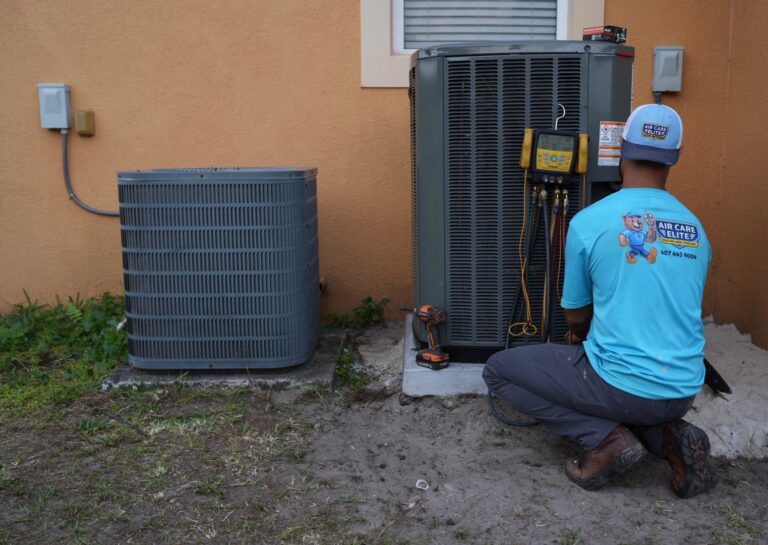
An HVAC technician can evaluate the equipment, airflow, ductwork, filtration, and humidity levels to help determine what’s contributing to the problem.
Get Help With Indoor Humidity in Central Florida
If your home feels humid even when the AC is running, don’t assume you simply need to turn the thermostat lower.
Air Care Elite Heating and Cooling can evaluate your HVAC system and help determine whether AC performance, airflow, ductwork, filtration, or another factor may be contributing to your indoor humidity concerns.
We provide HVAC and indoor air quality services throughout Central Florida and Seminole County, including Sanford, Lake Mary, Oviedo, Winter Springs, Longwood, Altamonte Springs, Casselberry, and surrounding communities.
As a veteran-owned and family-operated HVAC company, we believe in honest recommendations and solutions based on what your home actually needs.
Call Air Care Elite Heating and Cooling at (407) 443-9004 to schedule HVAC or indoor air quality service.
Veteran-Owned • 5-Star Rated
Need Help With Your AC?
Our team serves homes and businesses throughout Central Florida with honest recommendations and quality workmanship.